


A quick guide to home textiles
Apr 03, 2024
Leave a message
What are home textiles?
Home textiles are products made from different fabrics and clothing designed specifically for home decoration. These products can be purely decorative or generally functional. Home textile products enhance the interior design of the house, make home life warm and comfortable, and bring beauty to the interior.


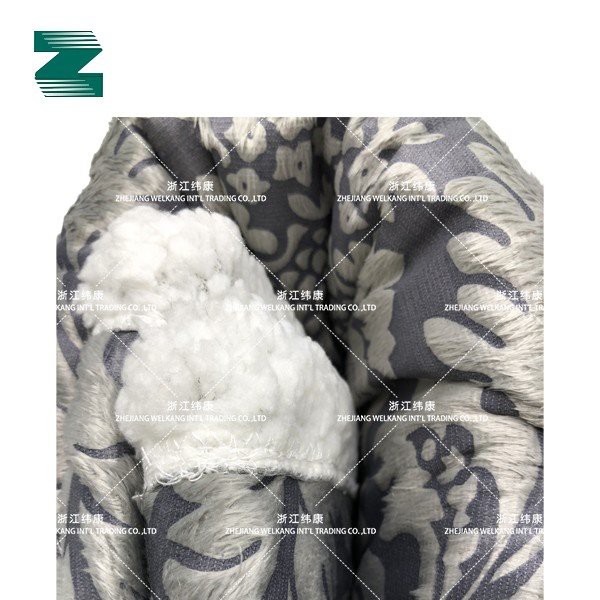

Types, production and inspection methods of home textile fabrics
Home textiles can be made from natural or synthetic fabrics or a mixture of both. These natural and synthetic fabrics may include mineral fibers, animal fibers, synthetic fibers, polymer fibers, plant fibers or combinations of these fibers to create textiles.
Satin, alpaca, local fabrics, linen, Goblen tapestry, silk, tulle, cotton, wool, viscose, embossed, Trevira cs, cashmere, brocade, artificial leather, jacquard, viscose, bamboo and polyester are home textiles The type of fabric used in the product is usually. Home textiles are produced by knitting, weaving, crocheting or pressing fibers together.
Home textile products have a wide range of fabric types and uses, and their production and testing methods are also diverse. These fabrics are typically tested for:
Mechanical tests such as tensile strength, tensile and burst strength, abrasion resistance, dimensional stability, flexibility and recovery from elongation.
Flammability testing protects users from fire hazards.
Conduct chemical testing for hazardous chemicals to comply with chemical regulations.
Antibacterial and antifungal testing for health concerns.
Uses of home textiles
1. Bedroom
Bedspread: Mostly cotton. Some bedspreads made of embroidered pique fabric are perfect for decorating the bay. They bring color and style to the bedroom and are sure to affect the mood.
Sheets: These products strive for cotton quality and sweat-wicking properties. Fabric, color and size play a vital role when choosing bed sheets.
Blankets: Cotton, fleece, polyester, fleece, and acrylic are the top materials for blankets.
Quilts: Cotton, wool, silk, bamboo, and polyester are the standard fabric types for quilts. An important and sought-after feature of a quilt is that it is made of soft, smooth fabric and has the ability to absorb sweat and moisture.
Pillows: In addition to supporting the head, pillows can also be prominent in the bedroom during the day, changing the aura and reflecting the mood. They are the most commonly used home textiles and are made from 100% cotton to ensure health.
Pillowcases/Cushion Covers: They are one of the most functional and decorative home textiles. Pillowcases protect pillows and cushions from sweat, stains, and dust while giving the house a colorful themed look.
Down Quilt: Originally a European product, a duvet was a textile stuffed with feathers, down or wool, consisting of two pieces and usually thicker than a comforter.
2. Kitchen
Kitchen hand towels: Their uses are for drying hands and dishes (these dish towels are also called rags) and cleaning counters, but kitchen hand towels also make perfect home decor products in colors and patterns. Cotton, linen, polyester, microfiber and their mixtures can be used for these home textiles.
Thermal Pads: These heat and cold retaining textile products are typically made from polyester or a blend of polyester and cotton.
Apron: An apron is an outer garment that protects clothing from dirt when cooking, washing dishes, or cleaning the kitchen. Themed and colorful aprons designed according to the importance of the occasion may bring joy to your kitchen. They are mainly made of cotton, nylon and leather. There are also single-use plastic products.
3. Living room/dining room
Tablecloths: While tablecloths are made from a variety of materials, the best tablecloth fabrics are cotton, vinyl, polyester, silk, and linen.
Decorative tablecloths are one of the basic requirements for dining rooms, living rooms and kitchens for those who like to eat in freshly prepared places.
Tablecloths: Tablecloths are decorative home textiles that can become a focal point by adding detail to the table. They can also be used as placemats. There are also a variety of fabrics used to make tablecloths, including satin, cotton, linen, polyester, silk, etc.
Throw pillows/cushions: They are an essential decorative accessory for living rooms and bedrooms.
Placemats: They protect the table and enhance the dining experience with their stylish touch. Since one of the important features of placemats is that they are easy to clean, washable fabric is the best choice for placemats. Polyester and its blends are preferred, but reed and wicker are also available for their comfort.
Curtains and valances: They cover windows, provide insulation and light absorption, and give the house a beautiful appearance. They are primarily made from a woven fabric that is a blend of cotton and polyester. However, we have listed the use of curtains and curtains in the living room and dining room, but of course it is not limited to this, especially the curtains are more in line with the style of the bedroom and at the same time can better block the light.
4. Bathroom
Bath towel: absorbs moisture from the body after showering. Due to this main feature, they are made of absorbent fabric, usually cotton. Turkish cotton and Egyptian cotton are most popular because of their softness and absorbency.
Bathroom Rug: Bare flooring in the bathroom or a colorful bathroom rug that matches your bathroom walls? Bath blankets are generally of standard size and should be made of waterproof, comfortable, hygienic, chemical fiber, and fashionable fabrics.
Towel: Smaller than a washcloth, mostly handkerchief-sized, made of soft terry cloth, it is an absorbent textile used for cleaning the body. They can make great gifts for families with newborns.
Towels: The purpose is to dry your face, but when guests come, they become a decorative home textile for the bathroom or guest room until they are used. Cotton is the most commonly used fabric, but bamboo is a stylish alternative.
5. Floor
Carpets and rugs: Carpets are fixed to the floor and run from wall to wall, while rugs are used for partial coverage and are removable. But the two words can be used interchangeably. Carpets and carpets are one of the essential home decoration textiles as curtains, rugs and rugs are the main accessories of the home. Furthermore, it is known that in some societies, floor coverings are considered a matter of prestige and some expensive hand-woven rugs decorate the houses.